Málaga – A city that gets under your skin.
Written by Adela Giráldez & Pablo Lorenzo Narcisi – Strand Properties
Most people come for the coast. They stay for the city.
Málaga was, for a long time, the place you flew into on your way somewhere else. That is no longer the case.
The city has always had the ingredients: a stunning old town, more than 300 days of sun, a coastline that goes on for miles, and food that makes you slow down. What it has gained is confidence: the Pompidou, Google’s cybersecurity centre, one of Southern Europe’s best-connected airports, a dining scene with national attention, and a real estate market that reflects the city’s transformation.
Adela arrived in Málaga more than twenty years ago as an architect, at a time when the city was beginning to reinvent itself. New projects were emerging, the historic centre was coming back to life, and neighbourhoods like Soho were starting to find a new identity. Being part of that transformation was an exciting adventure and the beginning of a lasting connection with the city for her. Pablo’s relationship with Málaga is more recent but equally revealing. He arrived four years ago as a lawyer, starting a new chapter with his family. Like many of the clients he now advises, he initially viewed the city through a practical lens: schools, neighbourhoods, safety, daily routines and whether life here could truly work beyond the holiday atmosphere. What surprised both Adela and Pablo was the city’s international character. They expected sunshine, great food and friendly people, but found that Málaga offers much more. It has become a magnet for talent, creativity and entrepreneurship, while still keeping the warmth and authenticity of an Andalusian city.
One thing Pablo always tells clients who are new to Málaga is not to choose an area from a map. Instead, he encourages them to spend time in different neighbourhoods at various times of the day. In his experience, finding the right home is less about the property itself and more about discovering where and how you want to live.
A Day in Málaga
Málaga rewards those who slow down. The city has a rhythm – and once you find it, it is hard to give up.
Morning
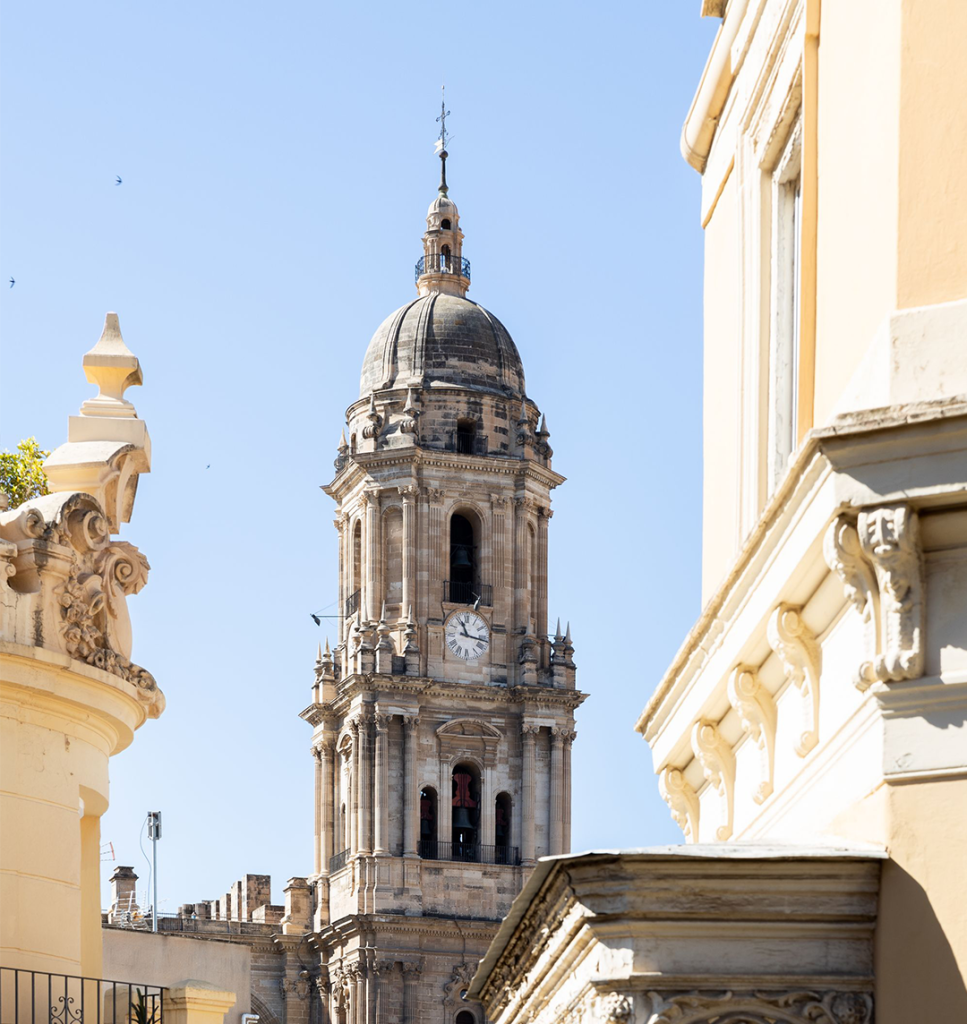
The old town in the early morning is one of the great pleasures of living here. Before the tourists arrive, before the heat builds, the streets belong to the locals. Coffee at a bar on a side street, a walk through the market, the Alcazaba catching the light above you.
For those on the beach neighbourhoods – Pedregalejo and El Palo, the morning starts by the sea. A swim or jog before breakfast. A pitufo with jamón, a cafelito, and the soothing sound of waves breaking by the shore. And then the day begins.
“My mornings usually start with a matcha from Martín’s Café. Martín, my favourite barista, already knows exactly how I like it.
A free morning in Málaga can be as simple as walking under blue skies until I find the next terraza for tapas or a late breakfast. Go three times to the same place and people start to recognise you – that’s part of the city’s charm.
A little shopping is always a good place to start. From international brands to independent boutiques I absolutely love, such as Quasipercaso, Bangoloti, La Bien Hecha, Marianna, and Anita Berber Atelier, the city is full of unique finds.
For art lovers, an exhibition at MUCAC in Soho is always a great idea. Free entry and inspiring art all year round – how cool is that?”
– Adela
“My morning often starts with a coffee from Bertani before opening the office. I like that hour because the centre is still quiet and you see Málaga before the city becomes busy.”
– Pablo
Afternoon
Lunch in Málaga is not a quick affair. The city takes it seriously. Long tables, shared plates and a carafe of local wine. The Malagueta neighbourhood, Muelle Uno and the streets around Atarazanas Market are the places where afternoons pleasantly slip away.
Culture is woven into everyday life in Málaga, where world-class museums are housed within some of the city’s most iconic buildings and settings. The Picasso Museum is five minutes from almost everything. The Pompidou sits on the waterfront. The Thyssen is housed in a 16th-century palace. You walk past these places on your way to lunch.
As the afternoon drifts into evening, it’s time for one of Málaga’s favourite traditions: tardeo. Find a spot on one of the city’s beautiful rooftop terraces—Batik, Chinitas, San Juan, Valeria, NH Málaga, or ME Málaga by Meliá—and watch the city glow as the sun begins to set.
–
“When it’s time for lunch, we often take clients to one of our favourite spots by the sea. El Balneario and La Pérgola are always excellent choices, combining great food with stunning Mediterranean views. If we’re staying in the city centre, we love recommending Descorche, Mesón de Cervantes or Lo Güeno. They’re local favourites for a reason, with fantastic food, a welcoming atmosphere and plenty of genuine Andalusian character.
Málaga’s cultural scene is never far away. One museum we always like to recommend is the Carmen Thyssen Museum, housed in the beautifully restored Villalón Palace, a Renaissance building dating back to the early 16th century. Another favourite is the Málaga Museum, where you can combine a visit with lunch or dinner at Blossom, known for its Michelin-starred cuisine and spectacular terrace overlooking the Alcazaba.”
Evening
The evening in Málaga starts late and goes long. Dinner before nine is unusual; dinner at ten is normal. The tapas bars around the Cathedral and Soho fill up gradually, tables spilling onto the streets. Throughout the year, the whole city seems to be outside.
What residents love most about evenings here is the mix. A table of locals next to a table of expats next to visitors from Madrid. The city does not feel like a tourist bubble – it feels like a real place where real life is happening.
–
“One of our favorite places for dinner in Málaga is La Cosmo which is one of Málaga’s most popular contemporary restaurants. Chef Dani Carnero’s menu combines local ingredients with creative dishes, and we always like to recommend trying the leek carbonara, the hake Russian salad, or the crispy steak tartare. It’s lively, relaxed, and full of personality.
One thing people often don’t expect about Málaga is how vibrant the city remains during the winter months. Here, the streets are an extension of our homes. We don’t spend winter indoors hiding from the cold because the weather is mild, so cafés, bars, and restaurants stay busy all year round, often until late at night. Terraces remain full, friends meet after work, families stroll through the city centre, and there’s always a sense of life and energy.”
“We’ve all arrived in Málaga as strangers at some point. What makes this city special is its ability to make people feel at home. We were lucky enough to find our place here and we’d love to help you find yours.”
Adela & Pablo | Strand Properties
Who Lives in Málaga?
The city has always attracted people who are looking for something more than a holiday home.
Málaga’s international community has grown significantly in the past five years, driven partly by the tech sector – Google, Vodafone, and a cluster of startups have established a real presence here – and partly by the simple discovery that you can live very well in this city for considerably less than in London, Amsterdam, or Stockholm.
You will find remote workers who came for a month and signed a lease. Families who moved for the schools and stayed for the lifestyle. Retirees who chose Málaga over the coast because they wanted a real city, not a resort. And investors who recognised early that a place with this much going for it was not going to stay undervalued.
Many people who choose Málaga are curious, successful individuals looking for a happier and easier way of life. They often come from Northern Europe, the United States, or other large cities where life can feel rushed and the weather keeps people indoors. Then they discover Málaga and start asking themselves a simple question: Why not?
As Pablo often says, many buyers are not simply purchasing square metres. They are deciding where the next chapter of their life should unfold, whether that means building a family routine, planning for retirement, creating greater business mobility, making an investment, or simply enjoying a healthier daily rhythm.
What draws them to Málaga, rather than somewhere else along the coast, is that it is a real city. It has energy, culture, and life throughout the year. It doesn’t close down in winter, and neither do its residents. Whether it’s January or July, the streets are full of people enjoying terraces, exhibitions, restaurants, and everyday life outdoors.
One story captures this particularly well. A buyer purchased a remarkable penthouse in Málaga’s historic centre, in a beautiful building dating back to 1868. He fell in love with the property at first sight. But what truly captivated him was Málaga itself. Through its architecture and history, he discovered a city he wanted to keep exploring. What began as a home purchase soon became a passion, and today he is one of our top agents and a true expert on Málaga’s historic centre.
That’s what Málaga does to people. They come for a property and stay for the city.
The Neighbourhoods
Historic Centre
The heart of the city and, for many buyers, the most desirable address. Living here means narrow streets, the sound of the cathedral bells, the best tapas bars in Málaga on your doorstep, and a sense of being inside the city rather than beside it. Properties are mostly apartments – many in historic buildings with thick walls and high ceilings – and they go quickly.
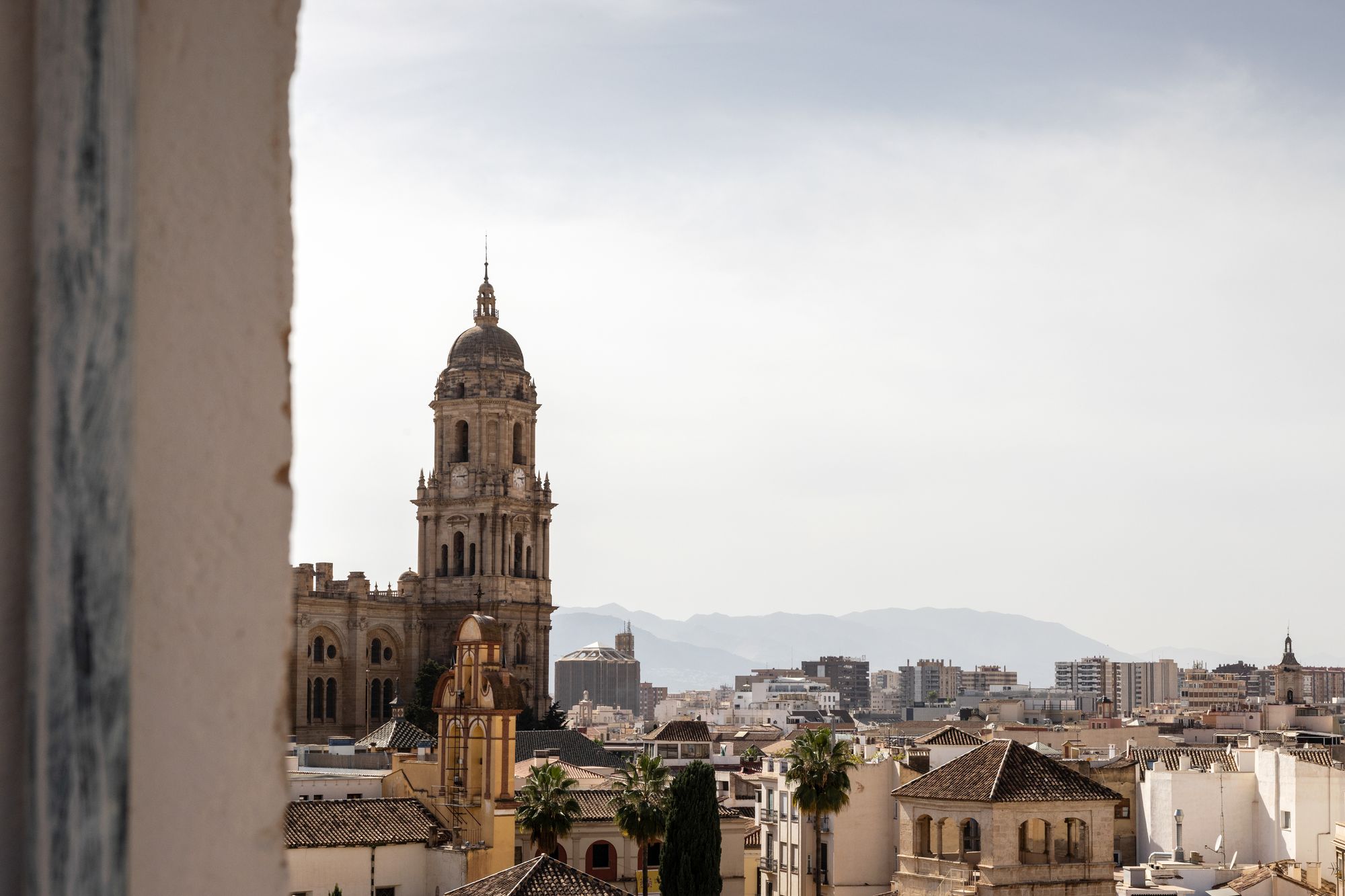
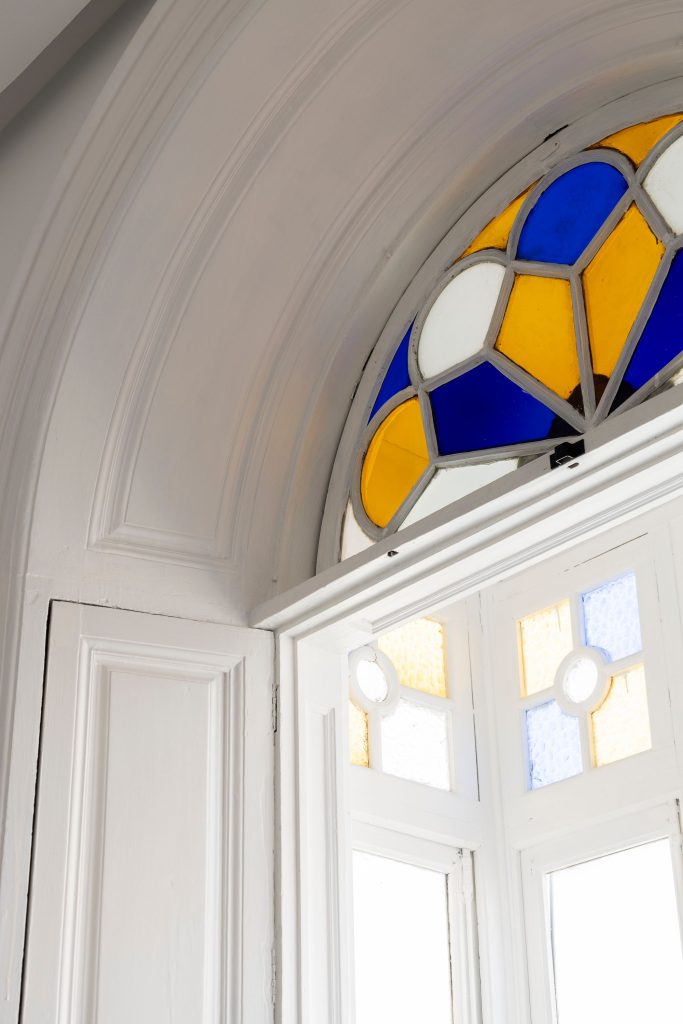
For Adela and Pablo, the streets around the Cathedral and Atarazanas Market are among the most attractive areas in Málaga’s historic centre. Here, some of the city’s most iconic buildings showcase beautiful architecture and the details that give the area its unique character: elegant façades, Juliet balconies, high ceilings, original wooden windows and shutters, decorative mouldings, and, in some cases, hand-painted frescoes. They believe, that these are the details that give Málaga’s historic center its unique character and charm.
When evaluating properties in the historic centre, Pablo always encourages buyers to look beyond the apartment itself and pay close attention to the building. Access, community condition, light, noise, ceilings, carpentry and documentation can make the difference between a charming flat and a truly solid purchase.
Many international buyers arrive thinking that a terrace is a must-have. What often surprises them is that terraces are actually quite rare in Málaga’s historic center. And yet, after living here, many realise they don’t miss one. The city itself becomes their terrace. Life happens outdoors, in the cafés, restaurants, and sunny squares that are full of people all year round. That’s where everyone enjoys Málaga.
Pablo also encourages buyers to look beyond any one isolated feature. In the best centre properties, character, comfort, and practicality need to work together.
Soho and the Port Area (Muelle Uno)
Málaga’s Soho district has transformed over the past decade from a forgotten quarter into one of the most interesting parts of the city. Street art, independent galleries, good restaurants, and a younger, more creative energy. The port area and new waterfront development have added another dimension – modern apartments with sea views, within walking distance of the old town.
According to Adela and Pablo, the profile of a buyer in Soho is not dramatically different from someone looking in the historic center, but there are subtle differences. Soho was transformed with the ambition of becoming Málaga’s artistic district and that creative spirit remains very much present today. The area tends to attract buyers with a slightly more avant-garde outlook who appreciate its contemporary feel and industrial heritage while remaining closely connected to the city centre.
Soho has also seen particularly strong price growth in recent years. Compared to the historic centre, prices have generally risen faster, largely because it is a smaller neighbourhood with limited room for expansion. Demand has therefore been concentrated on a relatively small number of quality properties, resulting in especially strong growth for the area’s most desirable apartments.
Pedregalejo and El Palo
Originally fishing villages on the eastern edge of the city, these neighbourhoods have become a favourite choice for those seeking the real Málaga. With their authentic chiringuitos, strong sense of community and easy access to the beach, they offer a lifestyle that appeals to families, professionals and retirees alike. As the city center becomes increasingly crowded, more buyers are looking east in search of space, authenticity and a more relaxed pace of life.
For Adela and Pablo, one of the area’s standout chiringuitos is El Merlo, perfectly located between Pedregalejo and El Palo. If there’s one thing they recommend visitors try, it’s the espeto. Not just the traditional sardines, El Merlo also grills other fish and even squid over an open fire.
Over the past two or three years, the neighbourhoods have evolved considerably. Pedregalejo and El Palo used to be much more traditional, and it was quite unusual for international buyers to settle here. Today, there is a wonderful mix of long-time residents and newcomers from around the world. Many have restored old fishermen’s houses, adding a Nordic touch or their own interpretation of Mediterranean coastal style, bringing a fresh perspective while respecting the character and heritage of the area.
Pacífico and La Térmica
Over the past decade, Pacífico and La Térmica have become some of Málaga’s most dynamic residential areas. Their seafront location, modern developments, and excellent connections to both the city centre and the airport have attracted a growing number of buyers looking for contemporary living by the Mediterranean. The transformation of the former industrial waterfront, together with the cultural influence of La Térmica, has given the area a fresh and increasingly cosmopolitan character.
According to Adela and Pablo, the area appeals to buyers who want a modern, easy lifestyle by the sea. Many are international professionals, frequent travellers, and second-home owners who value being just a few minutes from Málaga Airport. The combination of contemporary homes, generous terraces, and resort-style amenities, together with quick access to both the beach and the city centre, makes the area particularly appealing.
Pacífico and La Térmica have also experienced some of the strongest price growth in Málaga in recent years. Limited beachfront development opportunities, combined with growing demand for modern seafront properties, have pushed values steadily upwards. With the area’s transformation still ongoing, many buyers see it not only as a place to live, but also as one of Málaga’s most promising long-term investment locations.
At a glance
- Location: Capital of the Costa del Sol, Province of Málaga, Andalusia
- Population: approx. 597,000
- Airport: Málaga AGP – 8 km from the city centre, 10 minutes by train
- High-speed rail: Madrid in under 2.5 hours (AVE from Maria Zambrano station)
- Climate: more than 300 sunny days per year, mild winters
- Culture: Picasso Museum, Centre Pompidou, Carmen Thyssen, 30+ museums
Buying in Málaga
The market has moved significantly in recent years. Those who bought five years ago are very happy. Those looking now are still finding opportunity.
Málaga offers genuine variety. In the historic center: apartments and penthouses in old buildings, many recently renovated. In El Limonar: detached villas and townhouses with gardens, increasingly rare and correspondingly valuable. Along the waterfront: modern apartments with sea views. In Pedregalejo and El Palo: everything from small beachside townhouses to larger family homes at still-reasonable prices.
Indicative prices (2026)
- Historic centre apartments: from €400,000
- Soho and port area: from €350,000
- La Malagueta (sea view): from €450,000
- El Limonar villas: from €900,000
- Pedregalejo and El Palo apartments: from €250,000
- Pacífico and Térmica apartments: from €500,000
- New-build (various locations): from €350,000
According to Adela and Pablo, Málaga’s historic center continues to attract the strongest demand. They firmly believe that owning a piece of the historic center is one of the safest long-term investments in the city. There is only one historic center, supply is limited, and its appeal to both local and international buyers remains as strong as ever.
The growth seen across Málaga’s most desirable neighbourhoods has been remarkable. One example that stands out is a property in Pedregalejo that they recently sold for the third time in six years. The home was newly built when first sold and has not been renovated or significantly altered since. The sale prices were €690,000, then €740,000, and most recently €1,020,000, providing a clear indication of how demand has pushed values upwards.
Looking ahead, they are seeing growing demand for properties with character and authenticity. High ceilings, original wooden windows and shutters, hydraulic tile floors, solid wood flooring, and elegant balconies in singular historic buildings are often more sought after than larger, more generic homes. Buyers increasingly value properties that offer a genuine connection to Málaga’s architectural heritage.
Renting it out
Málaga has a strong and growing rental market, driven by tourism, the expanding tech sector, and a large student population from the university. Short-term rental demand is high from May to October, while long-term demand remains consistent throughout the year, particularly for well-located city-centre apartments and properties close to the tech park.
In Adela and Pablo’s experience, one and two-bedroom apartments in Málaga’s historic center continue to be the most sought-after rental properties. They appeal to professionals, digital nomads, international residents, and couples looking to enjoy an urban lifestyle with everything within walking distance.
For well-located apartments, particularly in the city centre, gross rental yields typically range between 4% and 6%, depending on the property, its condition, and the rental strategy adopted. The combination of strong demand and limited supply continues to support the rental market.
However, Pablo advises buyers not to assume that every apartment in Málaga can be used for short-term rental. New tourist rental licences are restricted or suspended in many cases, so the exact legal situation, community rules, and municipal criteria should always be checked before purchasing a property with rental income in mind.
“ People come to Málaga for the sun. They stay for the lifestyle. And they invest for the future.”
Adela & Pablo | Strand Properties
Good to Know
Schools
Málaga offers an excellent range of educational options, from highly regarded local schools to established international institutions, making the city increasingly attractive to families relocating from abroad.
- The British School of Málaga – British curriculum, one of the most sought-after options among international families in Málaga East.
- Lycée Français de Málaga – French curriculum, serving both French and international families in the city.
- MIT SCHOOL – Private bilingual school with an international outlook and strong links to Málaga’s technology and innovation ecosystem.
- Colegio Cerrado de Calderón – One of Málaga’s most respected schools, particularly valued by local and international families seeking a strong bilingual education.
- Yago School Málaga – A recently established international school in the eastern part of the city, offering a multilingual education and the International Baccalaureate (IB) programme.
The availability of high-quality international and bilingual education is one of the factors driving demand from relocating families, further strengthening Málaga’s long-term residential appeal.
According to Adela and Pablo, The British School of Málaga is consistently among the most highly regarded options. Parents value its strong academic standards, international environment, and continuity from early years through secondary education. It is particularly popular with international families moving to the city.
Colegio Cerrado de Calderón also receives excellent feedback, especially from families looking for strong integration into local life while maintaining a high academic standard. Parents often highlight its sense of community, bilingual education, and long-standing reputation within Málaga.
More recently, Yago School Málaga has attracted considerable interest from both Spanish and international families. Its International Baccalaureate (IB) approach, modern facilities, and multilingual environment have made it one of the most talked-about new schools in the city.
One piece of advice Adela and Pablo always give families is not to leave school applications until the last minute. The most sought-after schools may have waiting lists, especially in key year groups, and for some Spanish schools, where you live can affect your chances of securing a place. As a result, many families begin exploring school options before finalising their property purchase.
Healthcare
Málaga offers a well-developed healthcare system, combining high-quality public hospitals with a growing network of private providers.
- Hospital Quirónsalud Málaga – One of the city’s leading private hospitals, widely used by international residents and private health insurance holders. It offers a broad range of specialties and multilingual patient services.
- Vithas Hospital Parque San Antonio – A well-established private hospital in Málaga East, particularly popular among both local and international residents thanks to its convenient location and comprehensive medical services.
- Hospital Regional Universitario de Málaga (formerly known as Carlos Haya) – The city’s principal public hospital and one of the largest healthcare centres in Andalusia, providing highly specialised medical care.
- Hospital Universitario Virgen de la Victoria (Clínico) – Another major public hospital serving Málaga and the wider province, with a strong reputation across a wide range of medical specialties.
- The Materno-Infantil Hospital, part of the Regional Hospital complex, is the main public reference centre for paediatric and maternity care in the province.
Looking ahead, Málaga’s healthcare infrastructure is set to expand significantly with the construction of the city’s long-awaited new hospital complex, often referred to as the “Third Hospital” or Hospital Virgen de la Esperanza. The project is already underway and will add more than 800 rooms, 48 operating theatres and 80 ICU beds, becoming one of the largest and most advanced hospitals in Andalusia.
The combination of excellent public healthcare, modern private hospitals and substantial ongoing investment in new medical infrastructure is one of the factors contributing to Málaga’s attractiveness as a long-term residential destination.
Rather than recommending a specific GP, Adela and Pablo usually encourage clients to explore the private healthcare providers that best suit their location and insurance coverage. Many international residents choose hospitals such as Sanitas, Quirónsalud Málaga, or Vithas Parque San Antonio, all of which offer multilingual services and a wide range of medical specialties. Most expats find it easy to access English-speaking doctors and specialists throughout the city.
The questions they hear most often relate to access to English-speaking doctors, the quality of hospitals, waiting times, and how the Spanish healthcare system works for foreign residents. Families frequently ask about pediatric care and maternity services, while retirees tend to focus on specialist care and health insurance options. Overall, many clients are pleasantly surprised by the quality of healthcare available in Málaga, both in the public and private sectors.
Getting around
Málaga has a metro (two lines), an extensive bus network, and a suburban train (Cercanias) connecting the city to the airport and coastal towns in minutes. The AVE high-speed rail links Málaga to Madrid in under 2.5 hours. For daily life within the city, most residents find they do not need a car. For exploring the coast or the mountains, one is useful.
Buying: the short version
Buying property in Spain is a straightforward process. Once a price is agreed, the buyer signs a reservation agreement and pays a deposit to secure the property. A lawyer then carries out all legal checks before the private purchase contract is signed, typically with a 10% deposit (less any reservation amount already paid). Completion takes place before a notary, when the remaining balance is paid and ownership is transferred. The process usually takes 6–12 weeks. Foreign buyers will need a Spanish tax identification number (NIE), and Adela and Pablo are happy to introduce trusted local lawyers who regularly assist our international clients throughout the process.
Even with a straightforward process, many international buyers are surprised by how property purchases in Spain differ from those in their home country. According to Adela and Pablo, common questions often relate to the private purchase contract, the role of the notary, and the requirement to obtain an NIE before completion.
Drawing on his legal background, Pablo encourages buyers to balance the emotional and practical sides of the decision. While finding the right property is important, he believes it is equally important to carefully review matters such as title, registry, licences, community situation, debts, urban planning, and taxes before moving forward.
When discussing residency options, Pablo notes that the Golden Visa is no longer a key driver of real estate purchases in Spain. Today, most buyers are motivated by lifestyle, family relocation, retirement, tax planning, mobility, or long-term investment, while non-EU buyers should review immigration options separately from their property search.
Your Strand Properties Specialist in Málaga
This guide was written by two members of the Strand Properties team with direct experience of the Málaga market.
If you have questions about anything in Málaga – or about a property, neighbourhoods, or other opportunitites – Adela and Pablo are the right people to ask for guidance.
- Your name and title: Adela Giráldez García – Architect and real estate specialist & Pablo Lorenzo Narcisi – Lawyer and real estate advisor at Strand Properties.
- How long have you been working in Málaga and on the Costa del Sol: 11 and 4 years
- What is your area of specialism? Centro histórico for apartments, East and West coast for independent houses, gated communities and new developments. Inland towns like Alhaurin de la Torre for bigger spaces. Pablo’s contribution is strongest where lifestyle, negotiation and legal security meet. He work especially well with clients who are relocating, comparing neighbourhoods or trying to understand whether a property is not only attractive, but also a sound long-term decision.
- What is the thing about Málaga that still surprises you, or why you enjoy working here? What continues to surprise us is Málaga’s ability to keep raising the bar. Just when you think the city has reached its potential, a new project reveals an even more ambitious vision for the future. Communications, green areas, new developments, international events and sports are on the news.
Contact details:
Adela Giráldez adela@strand.es +34 690 378 088
Pablo Lorenzo Narcisi pablo.lorenzo@strand.es +34 627 352 858

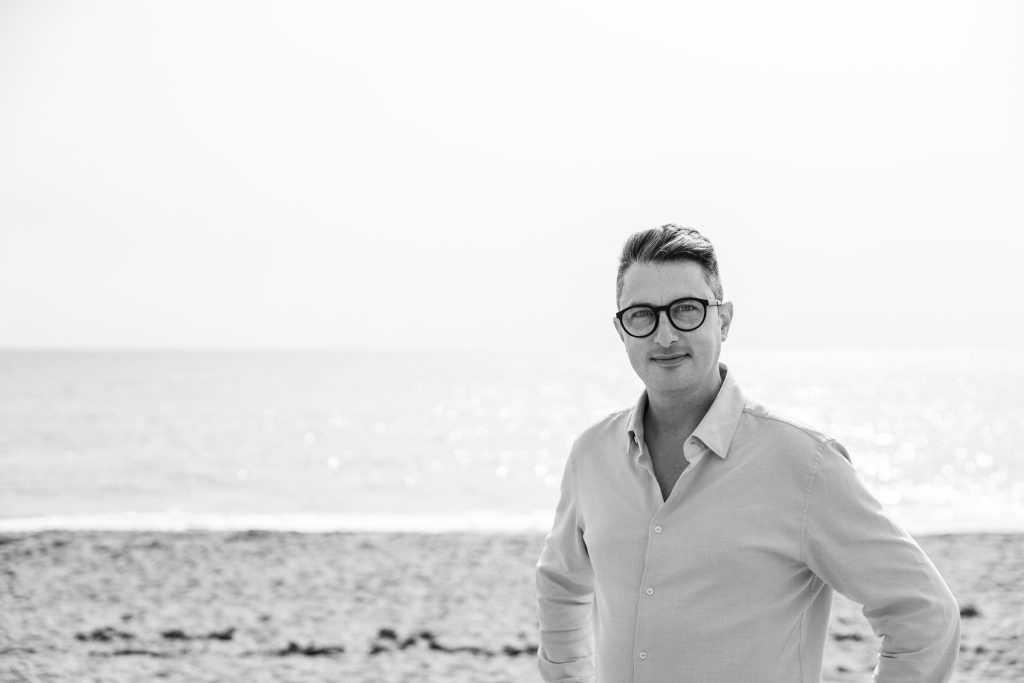
“If you’re thinking about coming to Málaga, come with an open mind and allow yourself time to explore. Most people arrive expecting great weather and beautiful views. What often surprises them is how easy the city is to live in, and how quickly it starts to feel like home.”
Adela & Pablo | Strand Properties